

Used Motorcycle Buying Guide: What to Avoid
Buying a used motorcycle can be an exciting journey, but it’s also one that comes with potential pitfalls. Unlike purchasing a brand-new bike, used motorcycles have a history, and that history can be both an advantage and a risk. If you approach the process carefully, you can find a great bike at a reasonable price. But if you’re not cautious, you may end up with a money pit or even a dangerous machine. This guide highlights key things to avoid when buying a used motorcycle, especially for riders in the US and Europe.
1. Ignoring the Bike’s History
One of the most critical mistakes buyers make is ignoring a motorcycle’s past. Every used bike has a story, and sometimes that story includes accidents, floods, or other damage. Here’s what to watch out for:
- Salvage or Rebuilt Titles: Bikes with a salvage title were deemed a total loss by an insurance company. While some rebuilt bikes can be safe, many hide structural issues that may compromise safety. Always check the title history.
- Accident Damage: Look for signs of previous accidents, such as mismatched paint, bent handlebars, or uneven tire wear. Even minor accidents can affect the handling of a bike.
- Flood or Water Damage: Particularly in areas prone to flooding, motorcycles can suffer severe damage from water. Corrosion, electrical problems, and engine issues can appear months after purchase.
Tip: Always ask for service records and consider using a VIN check service to verify the bike’s history.
2. Skipping a Thorough Inspection
Many buyers fall in love with a bike at first sight and skip a proper inspection. Never let excitement override caution. A proper inspection includes:
- Engine Condition: Check for leaks, unusual noises, or excessive smoke. Compression tests can reveal engine wear.
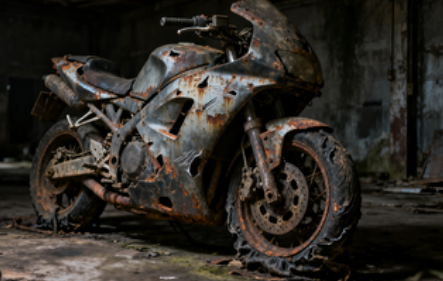
- Frame Integrity: Look for cracks, rust, or repairs that suggest a serious crash.
- Suspension and Brakes: Test the forks, shocks, and brake pads. Worn suspension or brakes can be costly to replace.
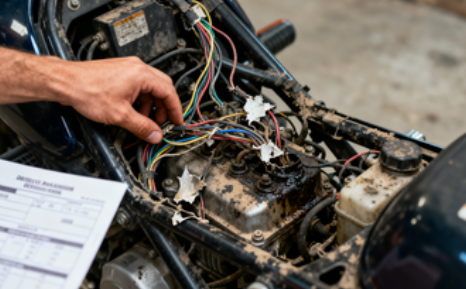
- Electrical Components: Make sure lights, indicators, and the battery work properly. Electrical issues can be subtle and expensive to fix.
If you’re not mechanically inclined, hiring a professional mechanic to inspect the bike before purchase can save thousands of dollars in repairs later.
3. Overlooking Mileage and Maintenance
While mileage isn’t always a deal-breaker, how the bike was maintained is crucial. A high-mileage bike that was well cared for can be more reliable than a low-mileage bike that sat unused for years. Avoid:
- Missing Service Records: Always request a maintenance history. Skipping oil changes or ignoring small issues can lead to major repairs.
- Unknown Previous Usage: Ask how the bike was used. A bike used mainly for commuting may have more wear on brakes and tires, while a touring bike may have more engine hours but less stop-and-go stress.
- Deferred Repairs: Check if the previous owner deferred necessary repairs. Look for worn chains, sprockets, tires, or brake pads, which indicate neglect.
4. Buying Solely Based on Appearance
A bike that looks shiny and new on the surface can hide serious problems. Avoid making decisions based solely on aesthetics:
- Polished But Faulty: Sellers can cover up rust, scratches, and oil leaks with polish or tape. A bike that looks great may still have hidden issues.
- Modified Bikes: Custom modifications can be appealing but may affect reliability or insurance coverage. Check if modifications were professionally done.
- Rushed Decisions: Take your time to evaluate the bike thoroughly. Never let a seller pressure you into buying quickly.
5. Ignoring Test Rides
A test ride is essential to gauge a bike’s real condition. Avoid buying a bike without one:
- Unusual Noises: Listen for knocking, rattling, or whining sounds while riding.
- Handling Issues: Make sure the bike steers, brakes, and corners smoothly.
- Transmission and Clutch: Ensure smooth gear changes and clutch engagement. Slipping clutches or grinding gears are warning signs.
Red Flag: If the seller doesn’t allow a test ride, it’s a major warning. Always insist on riding the bike in conditions similar to how you’ll use it.
6. Falling for “Too Good to Be True” Deals
Everyone loves a bargain, but extremely low prices often come with hidden risks. Be wary of:
- Suspiciously Cheap Bikes: A bike priced far below market value may have mechanical problems or legal issues.
- Online Scams: Be cautious of listings with poor photos, vague descriptions, or sellers unwilling to meet in person.
- Incomplete Paperwork: Avoid bikes without proper registration, title, or insurance documents.
Tip: Do research on market prices for the exact make, model, and year. Knowledge is your best defense.
7. Neglecting Insurance and Registration Considerations
Even after buying the bike, failing to check insurance or registration rules can be costly:
- Insurance Rates: Some bikes, especially sport models, have higher premiums. Verify coverage before purchase.
- Registration and Emissions: Ensure the bike meets local road and emissions regulations. Imported bikes may have additional paperwork requirements.
- Recall Checks: Check if the model has any outstanding recalls. Manufacturers often fix critical issues, but if ignored, it could be unsafe.
8. Avoiding Professional Advice
Finally, don’t underestimate the value of professional guidance. Mechanics, seasoned riders, or motorcycle forums can provide insights that a seller may not disclose. Avoid going in completely alone:
- Forums and Communities: Platforms like ADVrider, Reddit’s r/motorcycles, or dedicated Facebook groups can provide feedback on common issues with certain models.
- Mechanic Inspection: A pre-purchase inspection by a knowledgeable mechanic can uncover problems you might miss.
- Trusted References: If possible, buy from a reputable dealer rather than a private seller. Dealers often provide limited warranties and a safety net.
Conclusion
Buying a used motorcycle requires patience, knowledge, and vigilance. By avoiding these common mistakes—ignoring the bike’s history, skipping inspections, overlooking maintenance, relying solely on looks, skipping test rides, chasing unrealistic bargains, neglecting insurance and registration, and avoiding professional advice—you can significantly reduce the risks associated with a used bike purchase.
A little diligence goes a long way. Taking the time to inspect, research, and test ride a bike can ensure you end up with a reliable, enjoyable motorcycle that fits your riding style and budget. Ride safe, ride smart, and enjoy the freedom of the open road.