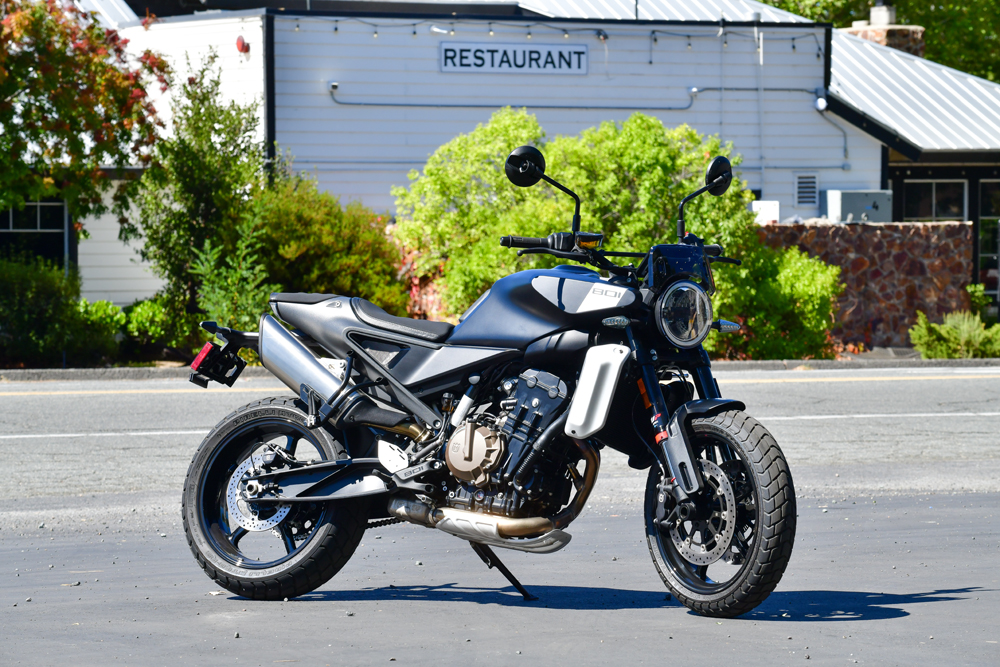
Suzuki’s GSX-8TT has performed well on Cycle News, so although we have it in the garage, we want to be slightly surprised and compete with Husqvarna Svartpilen 801. The result may surprise.
Since I parked it in the garage, the Suzuki GSX-8TT has driven more tires than many other test cars in 2025, thanks to its beautiful twin cylinder engine, soft but smooth suspension, almost perfect knight triangle structure, and appearance reminiscent of Wes Cooley’s glorious years in the GS1000.
Just like the Moto Guzzi V7 Sport that I previously owned, the TT is a car that I love to see, which makes me want to ride it and take another look, so the cycle repeats itself.
However, it is not perfect, especially in terms of price. The price is $11149, which is nearly $1000 more expensive than the Husqvarna Svartpilen 801 priced at $10499. I admit I didn’t expect it to be compared to the TT, but the more I ride, the more reasonable this comparison becomes.
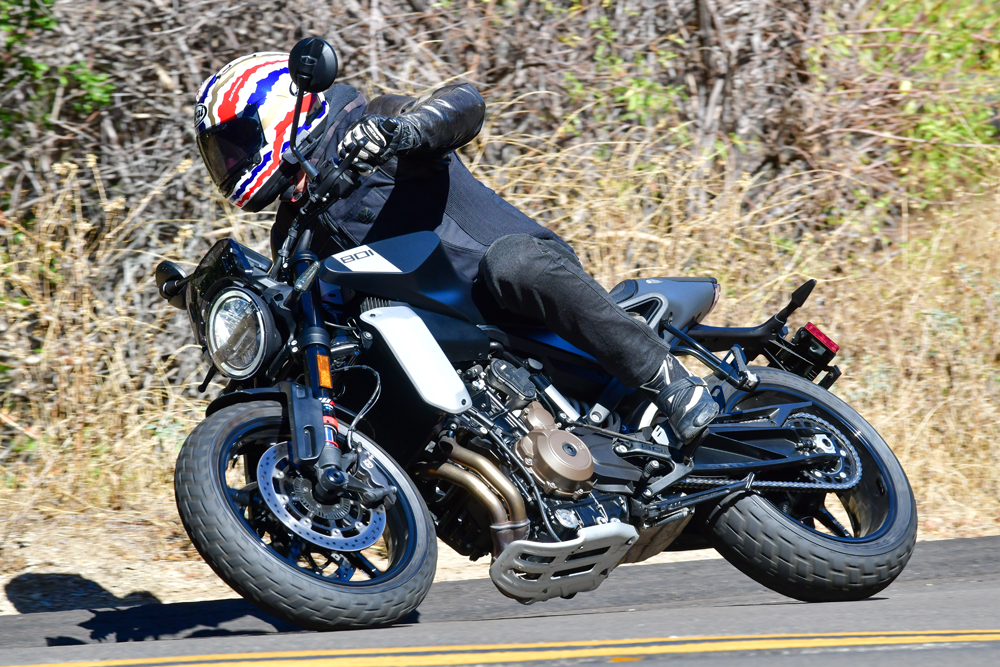
Svartpilen is not a car used for comparison with TT, is it? Its raised tires and off-road spirit, although comparable to the pure asphalt road style of the TT, can prove that this is not the case with the former’s performance and configuration.
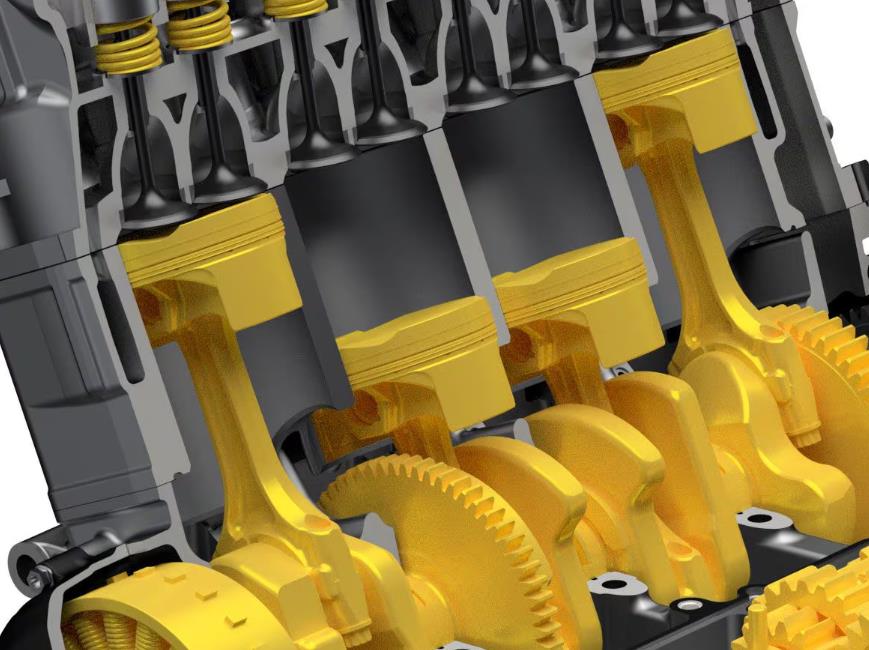
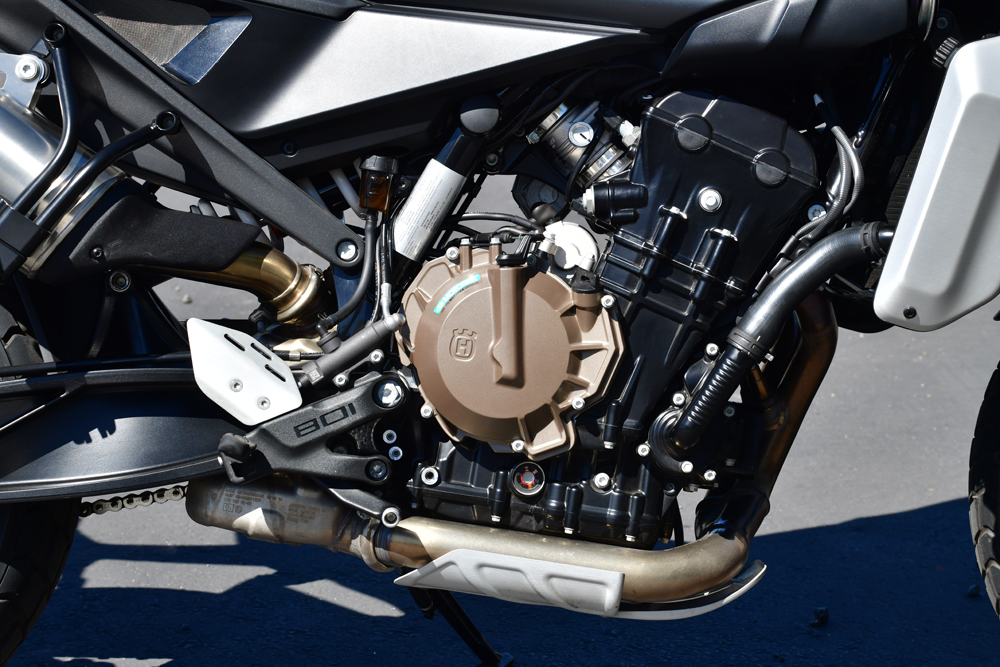
Suzuki’s displacement is 776cc, while Svartpilen’s displacement is 799cc, both from parallel twin cylinder four stroke engines, although Husky has a clear advantage in horsepower, claiming to have 105 horsepower, while Suzuki claims 80 horsepower. Austria/Sweden 801 also leads in torque, with an official stated torque of 64 pound feet, while Japan’s Suzuki has 57 pound feet.
Although the advantage is not significant, the handlebar feel is quite noticeable. The engine speed of Husqvarna is faster and more interesting than Suzuki. Although Suzuki takes some time to start, it can provide the power it has more smoothly compared to Husky.
The high horsepower data of Husqvarna only truly shows at 5000 revolutions per minute, and European models will significantly lead Japanese cars in third and fourth gear, resulting in increased speed.
At low speeds, Suzuki’s softer power output is more pleasing than Husqvarna, which always feels like a dog pulling a leash. This engine is also used by two motorcycles that we love on Cycle News – the KTM 790 Adventure and Duke, both of which prefer high revs for maximum performance. Suzuki, on the other hand, is more gentlemanly in performance, and this style is likely to attract more potential buyers.
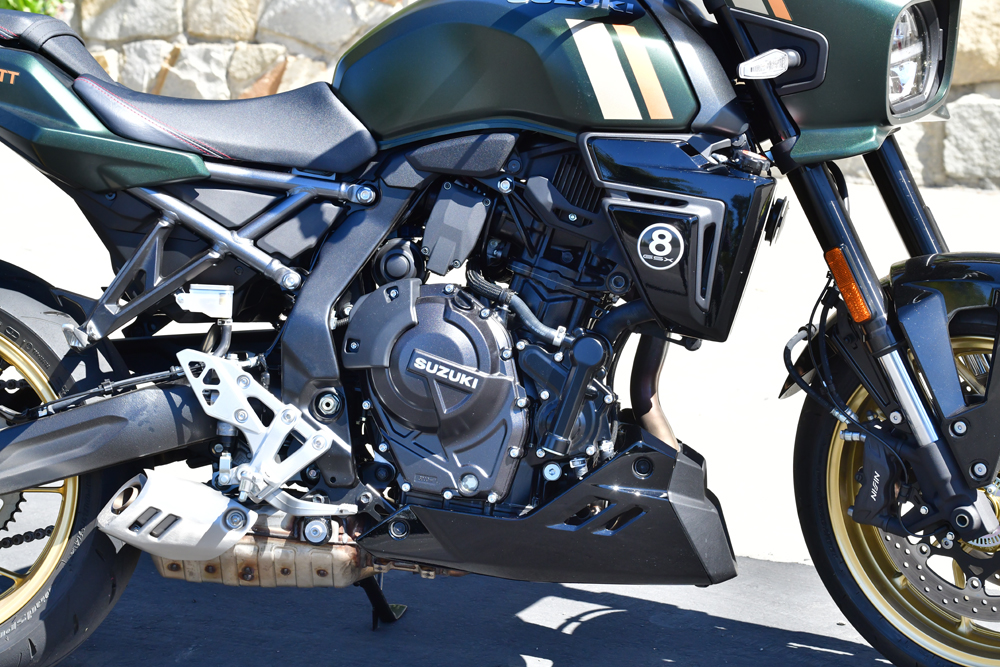
Both models are equipped with variable riding modes, with Suzuki operating in the old A/B/C mode, Svartpilen operating in rainy, road, and sport modes, with basic traction control and anti lock braking system (ABS), while Husqvarna’s optional dynamic package will provide 10 levels of traction control, five levels of anti roll head, motorized slip adjustment, and quick shift lever.
Suzuki will provide a quick shift lever, three-stage acceleration control, and non tracking control in the basic package ABS, That’s it.
However, Husqvarna is equipped with a six axis IMU, which allows you to use cornering ABS and traction control, surpassing Suzuki without an IMU.
It really depends on the additional accessories you can buy for the Husky, considering its ride style, whether it’s worth it. In my opinion, having these additional technologies is a good thing, especially because it allows you to explore the limits of the engine. Suzuki’s technology package is not considered groundbreaking, but it is actually not necessary.
However, neither of these motorcycles has cruise control or even installation options, especially on the higher priced Suzuki, as it is very comfortable and can be ridden for travel, and the comfort on highways has never been disappointing.
As for all day comfort, Suzuki is undoubtedly the champion. The almost completely upright knight triangle structure allows you to have almost no weight on your wrist, easily complete the mileage, even if the seat becomes a bit hard after sitting for an hour.
The riding posture of Husqvarna is more competitive, equipped with wider MX style handlebars and stiffer seats, which forces you to install the front wheel that doesn’t look suitable for loading.
I know this may sound a bit strange, but let me explain.
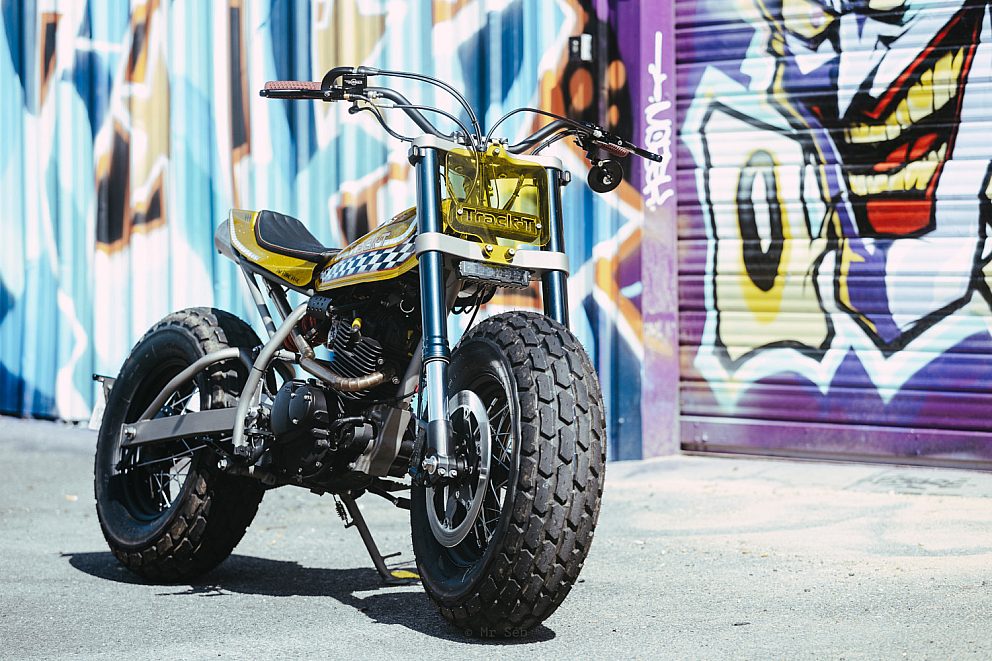
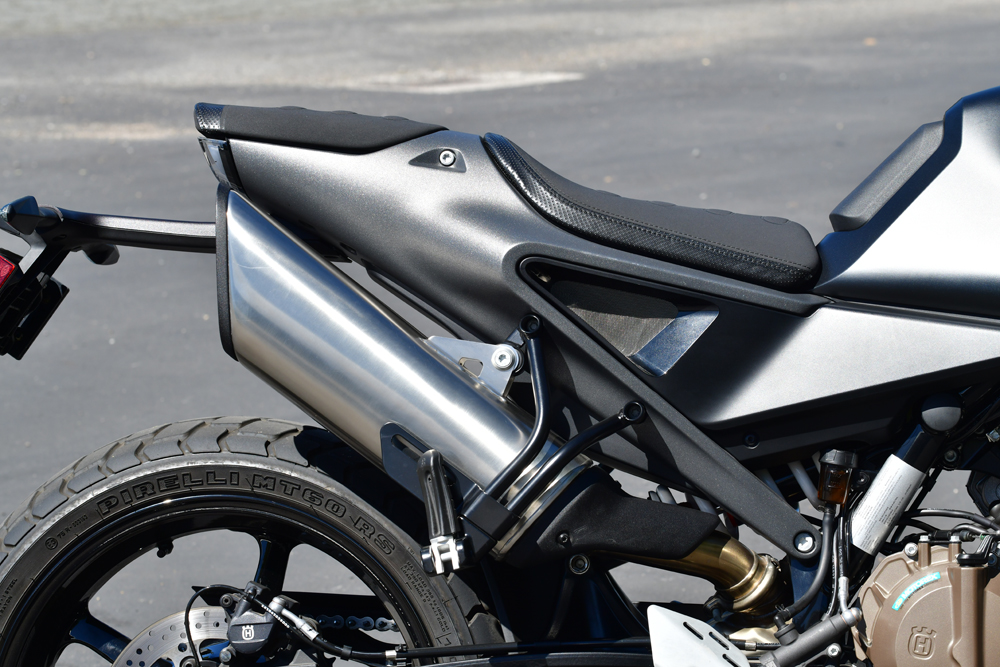
Husqvarna’s semi off-road Pirelli MT 60 RS rubber is mainly designed as a climbing ring, but Italians know that most of these motorcycles will never step on dirt roads in their lifetime, so road performance must be the primary consideration.
Even with this rubber, the front end of Svartpilen can still have a considerable degree of freedom, thanks to the WP fork with higher specifications than the Suzuki KYB 41mm fork.
Svartpilen is equipped with a 43mm WP fully adjustable front fork, making riders feel more stable during heavy braking and initial turns. Suzuki’s non adjustable front end is more comfortable to ride at low speeds and traffic lights, but once entering a bend and increasing speed, the bottom of the short journey will sink faster, which means the ride experience is not as smooth as the Husqvarna.
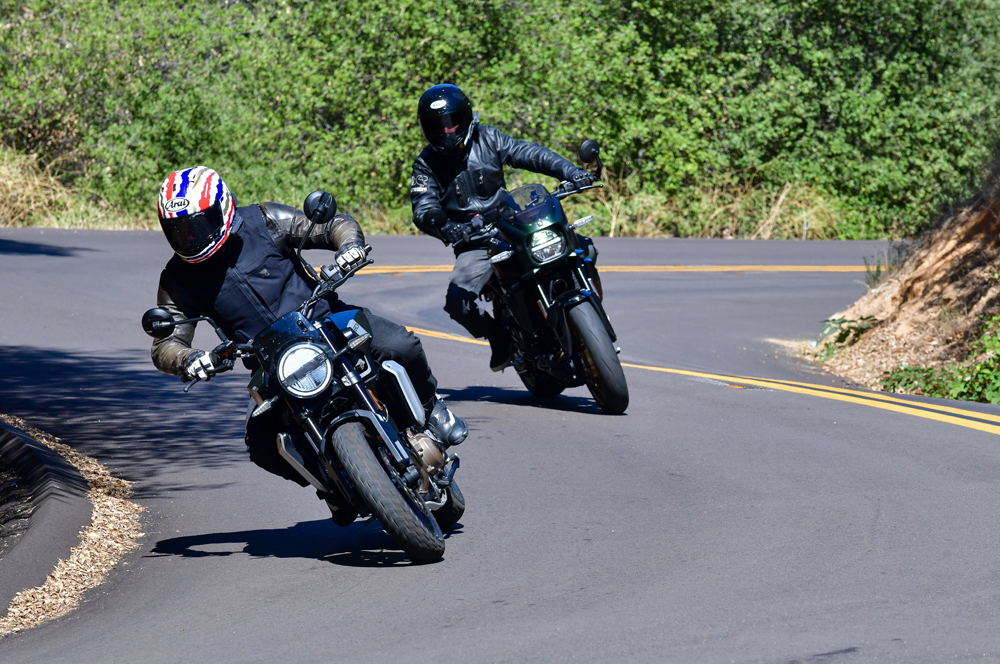
Suzuki is not as agile as Husqvarna; Its nominal weight penalty of 50 pounds can be very disadvantageous when the road starts to bend. Husqvarna’s agility and flexibility are very interesting here, making it easier to control in traffic, although not as comfortable as Suzuki.
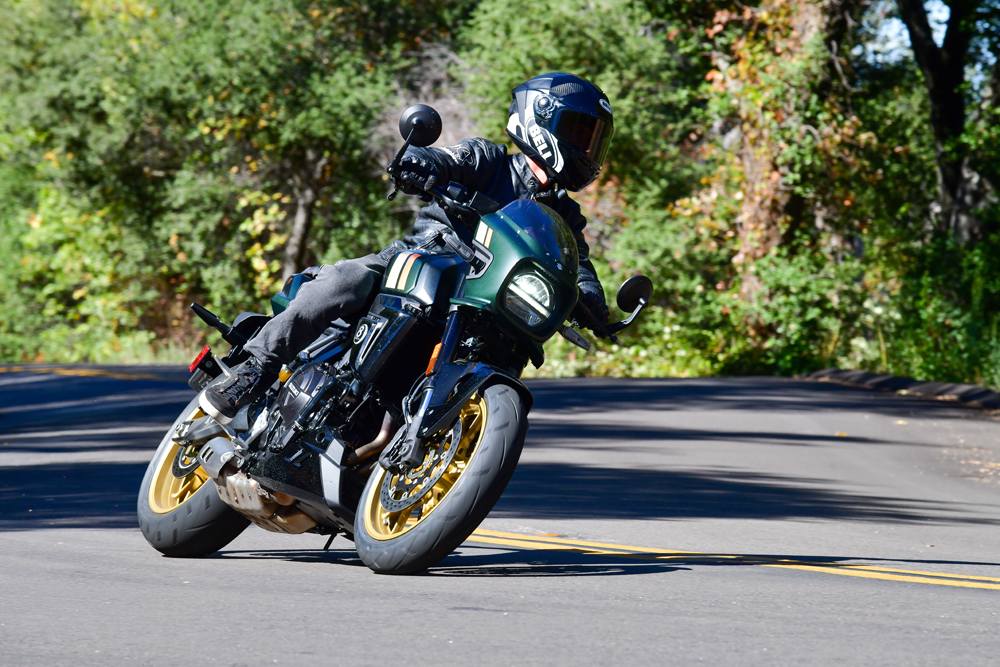
The braking performance is quite balanced. Both cars are equipped with four piston monocoque calipers, but Husqvarna’s IMU allows you to use cornering ABS, allowing for deeper and stronger braking at higher tilt angles, while Suzuki will start earlier when the low-end ABS is forcefully tightened. Suzuki received assistance from Dunlop Roadsport 2 tires in this regard, but the brake kit was slightly inferior to Husqvarna.
Due to the parent company KTM’s insistence on using images instead of text in the early years, the adjustment of Husqvarna electronic kit is very simple, so you can accurately grasp the adjustment parameters through the five inch TFT instrument panel.
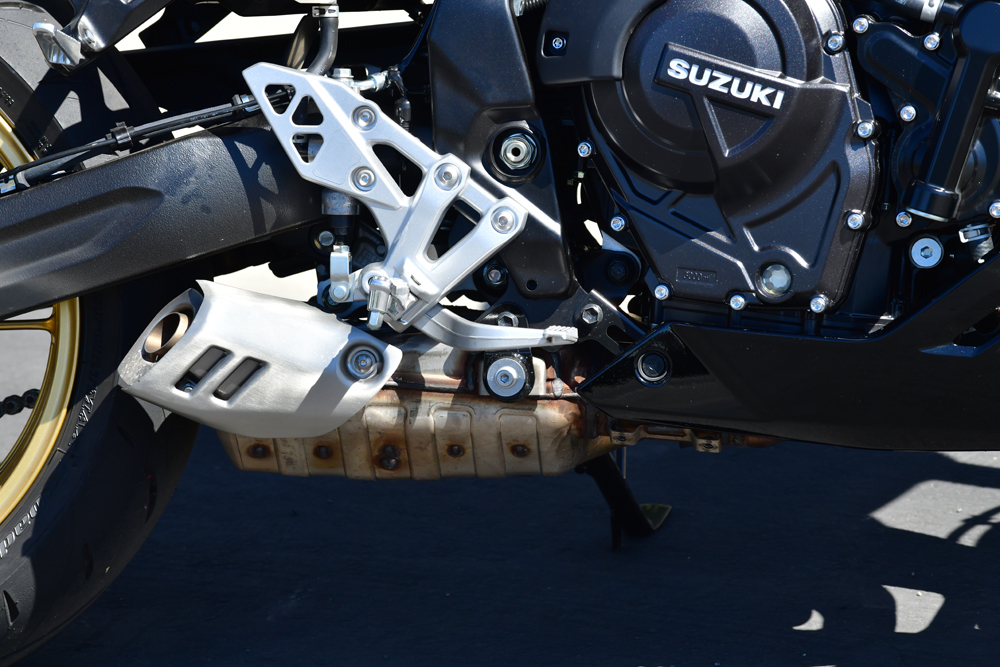
Suzuki uses a TFT instrument panel of the same size, although not as beautiful as the Husky, it may be the easiest to use among all mid size Japanese street cars currently available. You can run curve navigation on the Ride Husqvarna motorcycle app, but Suzuki does not have built-in map function, so you need to install your phone on the integrated handlebar or run a dedicated GPS device to determine the direction of travel.
When comparing Svartpilen 801 and TT, both are powerful and modern road vehicles, but they meet different rider needs. Svartpilen 801 focuses more on performance, equipped with a 799cc engine, sharper and more forward leaning chassis configuration, richer electronic adjustment of suspension modes, ABS during turning, support for smartphone connection, and lighter curb weight. Husqvarna is designed for riders who desire powerful throttle response, flexible control, and matching technical performance with high-speed twin cylinder engines.
At the same time, the GSX-8TT offers a more balanced (i.e. Japanese style) design. Its 776cc twin cylinder, 41mm KYB front fork, and simpler (but still modern) electronic devices make daily use smoother, but is it the most exciting?
If you value the most technical, sharper design lines, and sportier feel, Svartpilen 801 is your first choice. If you like a more flexible, approachable road car with retro style design and modern elements, the GSX-8TT definitely has its appeal.
The cost-effectiveness of two cars is good, but if I am willing to spend money, fun is my main consideration, so I (to my surprise) chose Svartpilen, even though its tires look funny.
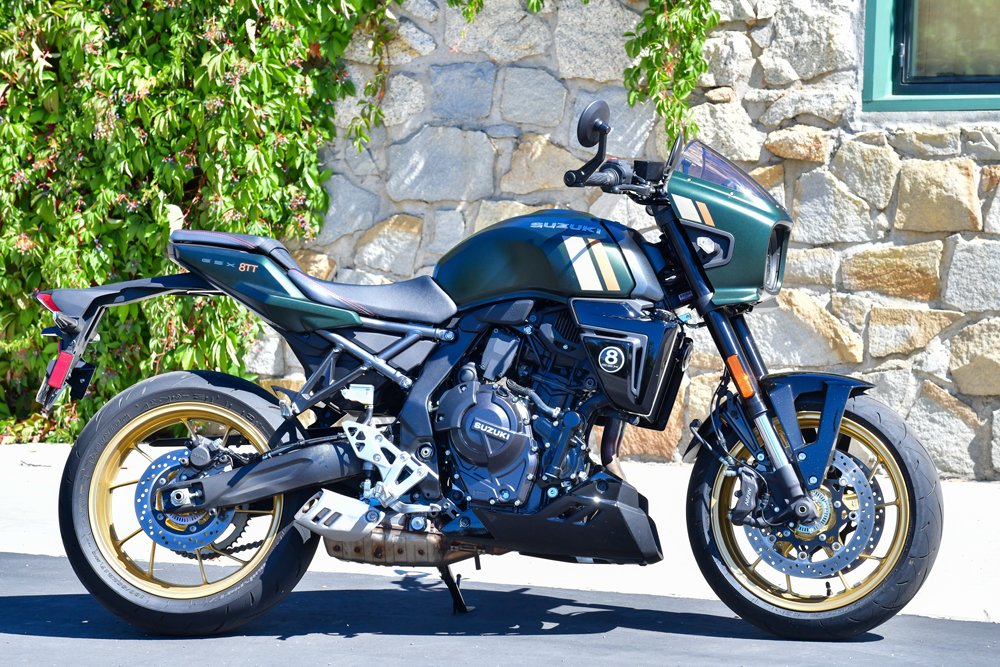
2026 Suzuki GSX-8TT specifications
| Item | Specification |
|---|---|
| MSRP | USD 11,149 |
| Engine | Parallel twin engine |
| Cooling System | Liquid-cooled |
| Valve Train | DOHC, 8 valves |
| Displacement | 776 cc |
| Bore × Stroke | 84 × 70 mm |
| Fueling | Electronic fuel injection, 42 mm throttle bodies |
| Compression Ratio | 12.8:1 |
| Exhaust | 2-into-1 |
| Transmission | 6-speed |
| Clutch | Wet, multi-plate, slip & assist |
| Electronics | Three ride modes, ABS, traction control |
| Chassis | Steel tube frame |
| Front Suspension | Inverted fork, non-adjustable |
| Rear Suspension | Showa monoshock, preload adjustable |
| Front Brakes | Dual 320 mm discs, Nissin radial-mount 4-piston calipers |
| Rear Brake | Single 240 mm disc, Nissin single-piston caliper |
| Front Tire | 120/70ZR17M/C (58W) |
| Rear Tire | 180/55ZR17M/C (73W) |
| Rake | 25° |
| Trail | 4.1 in |
| Wheelbase | 57.7 in |
| Seat Height | 31.9 in |
| Fuel Capacity | 4.3 gallons |
| Weight (claimed, curb) | 445 lb |
2025 Husqvarna Svartpilen 801 specification
| MSRP | USD 10,499 |
| Engine | Parallel twin engine |
| Cooling System | Liquid-cooled |
| Valve Train | DOHC, 8 valves |
| Displacement | 779 cc |
| Bore × Stroke | 88 × 65.7 mm |
| Fueling | Electronic fuel injection, 46 mm throttle body |
| Compression Ratio | 13.5:1 |
| Exhaust | 2-into-1 |
| Transmission | 6-speed |
| Clutch | Wet, multi-plate, slip & assist |
| Chassis | Steel tube frame |
| Front Suspension | WP Apex 43 mm USD fork, fully adjustable |
| Rear Suspension | WP Apex monoshock, preload & rebound adjustable |
| Front Brakes | Dual 300 mm discs, ByBre 4-piston radial-mount monoblock calipers |
| Rear Brake | Single 240 mm disc, 2-piston caliper |
| Front Tire | 120/70ZR17 |
| Rear Tire | 180/55ZR17 |
| Rake | 24.1° |
| Trail | 3.9 in |
| Wheelbase | 58 in |
| Seat Height | 31.7 in |
| Fuel Capacity | 3.7 gallons |
| Weight (claimed, curb) | 421 lb |